2026 is often described as a “Fire Horse” year—fast-moving, bold, and emotionally amplified. But Feng Shui doesn’t need to feel mystical or vague to be useful. At its best, it’s a practical environmental design framework: how space, light, clutter, and daily flow influence your attention, mood, and decision quality.
In this guide, we’ll combine traditional Feng Shui logic (timing, five elements, directional emphasis) with real-world practices you can actually test—so your adjustments feel grounded, measurable, and worth doing.
1. The Timing: When 2026 “Starts” Depends on the System You Use
Feng Shui timing has two commonly used reference points:
- Li Chun (Beginning of Spring) is often used as the energetic year switch in many Feng Shui schools.
- Lunar New Year (Spring Festival) is the cultural New Year and marks the zodiac year.
- Early February = setup window (declutter, repairs, foundation changes)
- After Lunar New Year = optimization window (small tuning, consistent routines)

2. The Theory: Why Fire Horse Years Feel “Fast”
In Five Element theory, Fire is associated with:
- speed, visibility, inspiration
- urgency, reactivity, burnout (when excessive)
The Horse archetype often symbolizes:
- independence, momentum, action
- impulsiveness, stubborn direction changes (when ungrounded)
2.1 What this means in real life
You may notice:
- faster decision cycles (more “I need this now” energy)
- higher emotional amplitude (small triggers feel bigger)
- attention fragmentation (too many tabs, too many plans)
- relationship intensity (less tolerance for unclear boundaries)
Feng Shui isn’t “magic luck.” Think of it as reducing friction:
- reduce visual and mental noise (clutter, harsh lighting, chaotic storage)
- support stability (grounding materials, calm zones, predictable routines)
- guide behavior (your home becomes a cue system for better habits)
3. A Professional Way to Apply Feng Shui: Diagnose → Adjust → Test
If you want your article to feel credible, use a consultant-style workflow.
3.1 Step 1: Diagnose the “stress points” of your home
Before buying anything, answer these:
- Where do you argue, rush, or lose patience most often?
- Where do you drop items, forget keys, or feel “blocked”?
- Which room makes you feel tired within 5 minutes?
Rule: Fix the biggest stress point first. One improvement that sticks beats ten symbolic items.
3.2 Step 2: Make the smallest effective adjustment
Start with changes that have high impact and low cost:
- clearing a pathway
- reducing surface clutter
- adjusting lighting
- moving one object that blocks daily flow
3.3 Step 3: Test it for 7–14 days (the credibility boost)
Treat your home like a “behavior experiment.”
Track one metric (choose just one):
- sleep quality
- focus time
- mood stability
- frequency of small conflicts
- how often you feel “rushed” at home
If it improves after your adjustment, keep it. If not, revert and try the next change.
This “test and verify” approach instantly makes your Feng Shui content feel more trustworthy.
4. 2026 Directional Strategy (Flying-Star-Style, Simplified and Practical)
Use your phone compass near the center of the home. The goal is not perfection—it’s clarity.
4.1 Southeast: Growth, Wealth Habits, and Opportunity Flow
4.1.1 The theory behind it
The Southeast is often treated as a growth/wealth-related zone in many popular Feng Shui approaches. Whether you see it symbolically or psychologically, it’s a great place to reinforce “growth behaviors.”
4.1.2 Practical actions (what actually helps)
- keep this area bright and clean
- remove “dead energy” items (broken, unused, dust-covered objects)
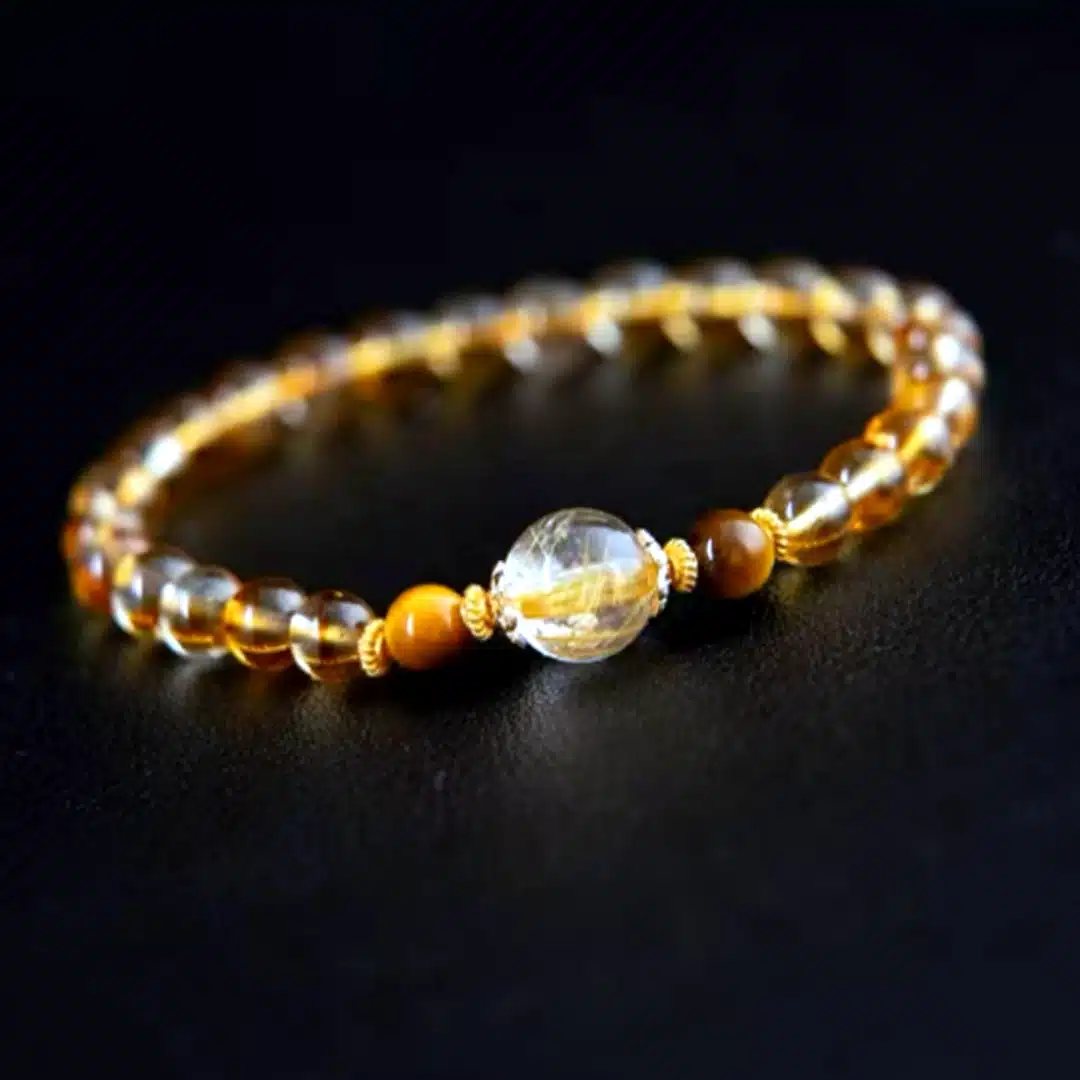
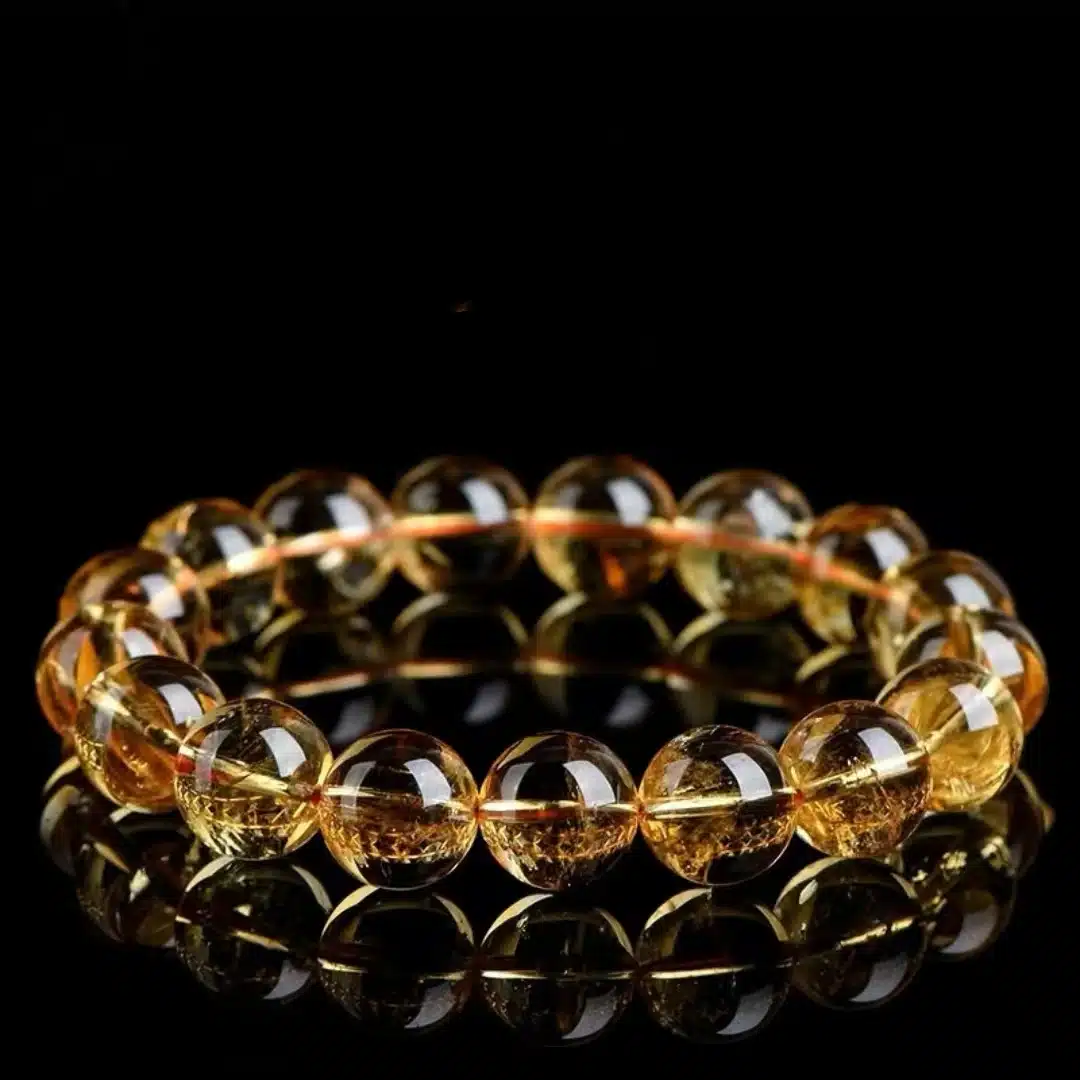
- add one growth symbol:a healthy plant、a clean tray/bowl for “wealth intention” items (coins, meaningful charm)、a subtle crystal accent (citrine or jade)
4.1.3 What to avoid
- storage overflow and messy cables (signals “stuck growth”)
- too many objects (creates visual noise)
Test idea:
If you work from home, try placing your planner or sales tracker in the Southeast for 2 weeks. Track whether your follow-through improves.
4.2.1 The theory behind it
The North is often linked with career flow and life path themes. In a high-speed year, the North becomes your “calm strategy zone.”
4.2.2 Practical actions
- use darker calm tones (navy/charcoal)
- keep surfaces minimal (less visual stimulation)
- add metal/water cues (simple, modern decor works best)
Set your work bag/keys in a clean North-side spot for 14 days. Track how often you feel late or rushed.
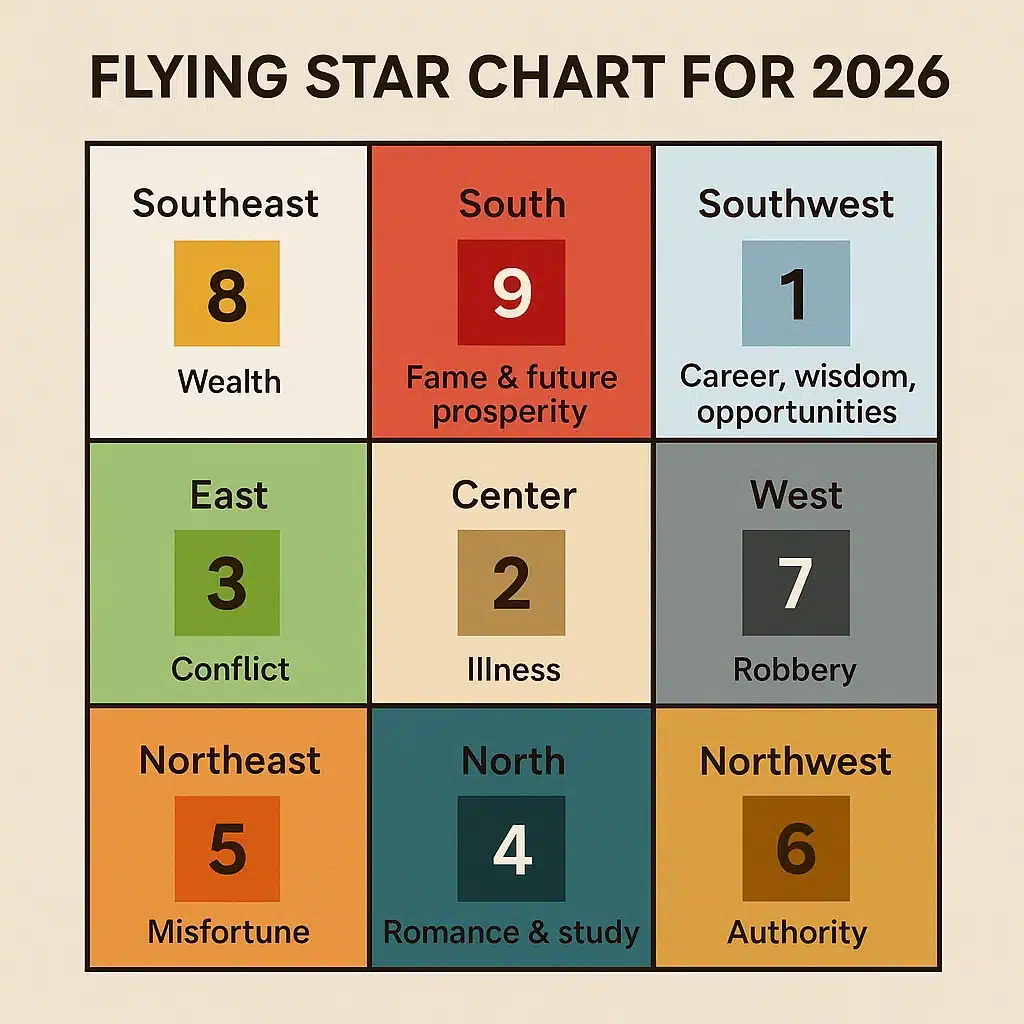
4.3 South: Fire-on-Fire Risk (Reduce Overstimulation)
4.3.1 The theory behind it
Fire is naturally stimulated in the South in many Feng Shui systems. In a Fire-heavy year, “more Fire” can equal more agitation.
4.3.2 Practical actions
Avoid:
- red-heavy decor
- candles/fire imagery
- excessive electronics in this zone
Add instead:
- neutral/cool colors
- metallic elements (gold/silver tones)
- emptier space and cleaner lines
Test idea:
Reduce 30% of visual items in the South area and track mood stability for 7 days.
4.4 Center: Whole-Home Emotional Stability
4.4.1 The theory behind it
The center is the “circulation point.” If it’s blocked, the whole home feels busy.
4.4.2 Practical actions
- keep pathways open
- soften lighting
- use grounding textures (earthy textiles, stone, wood)
Clear the center area for 2 weeks and track household tension frequency.
5. Wearable Feng Shui: How to Choose Crystals Without Overclaiming
Crystals are best positioned as symbol + habit cue:
- they remind you to slow down
- they reinforce identity (“I act calmly and consistently”)
- they become a daily anchor for intention
5.1 Crystal guide (simple and practical)
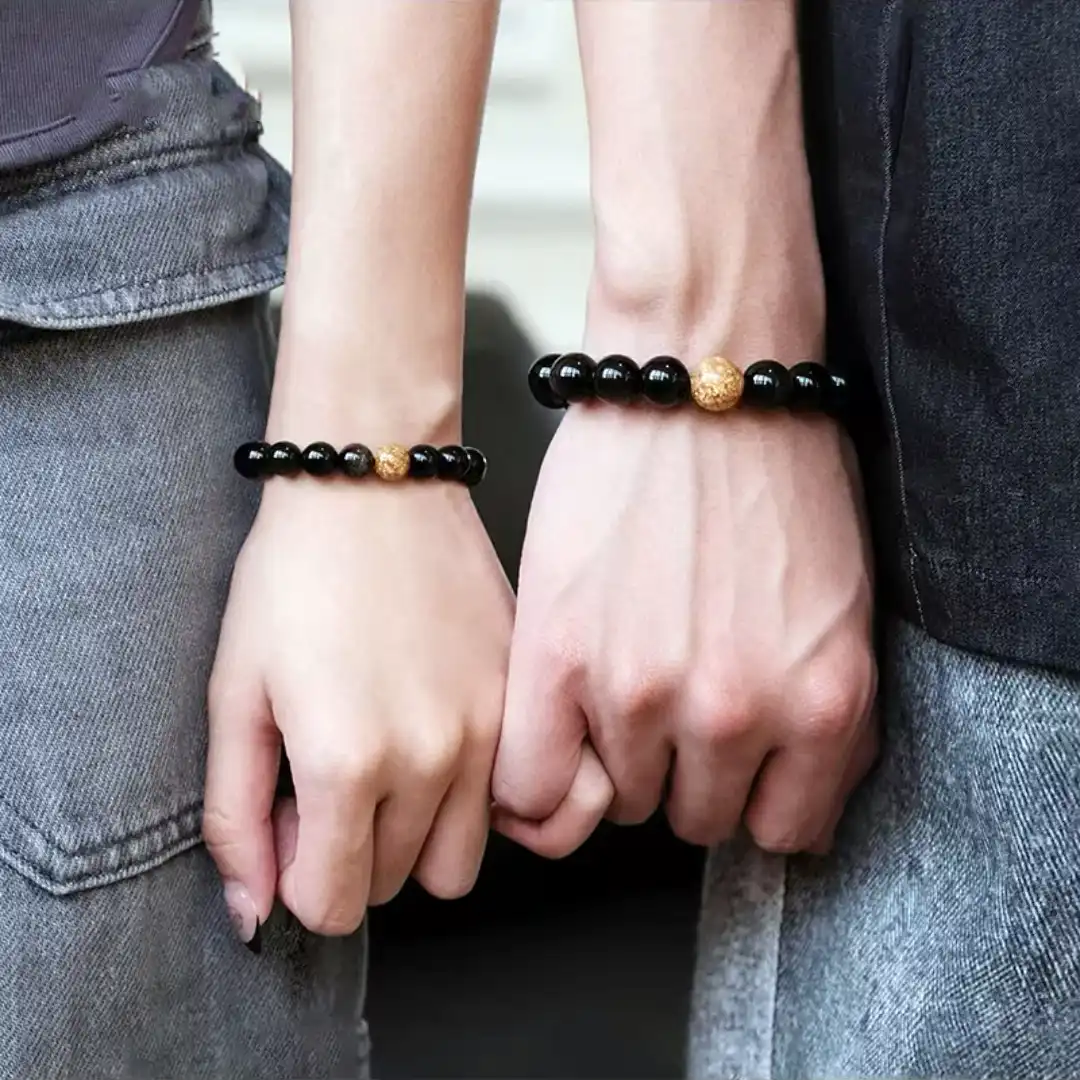
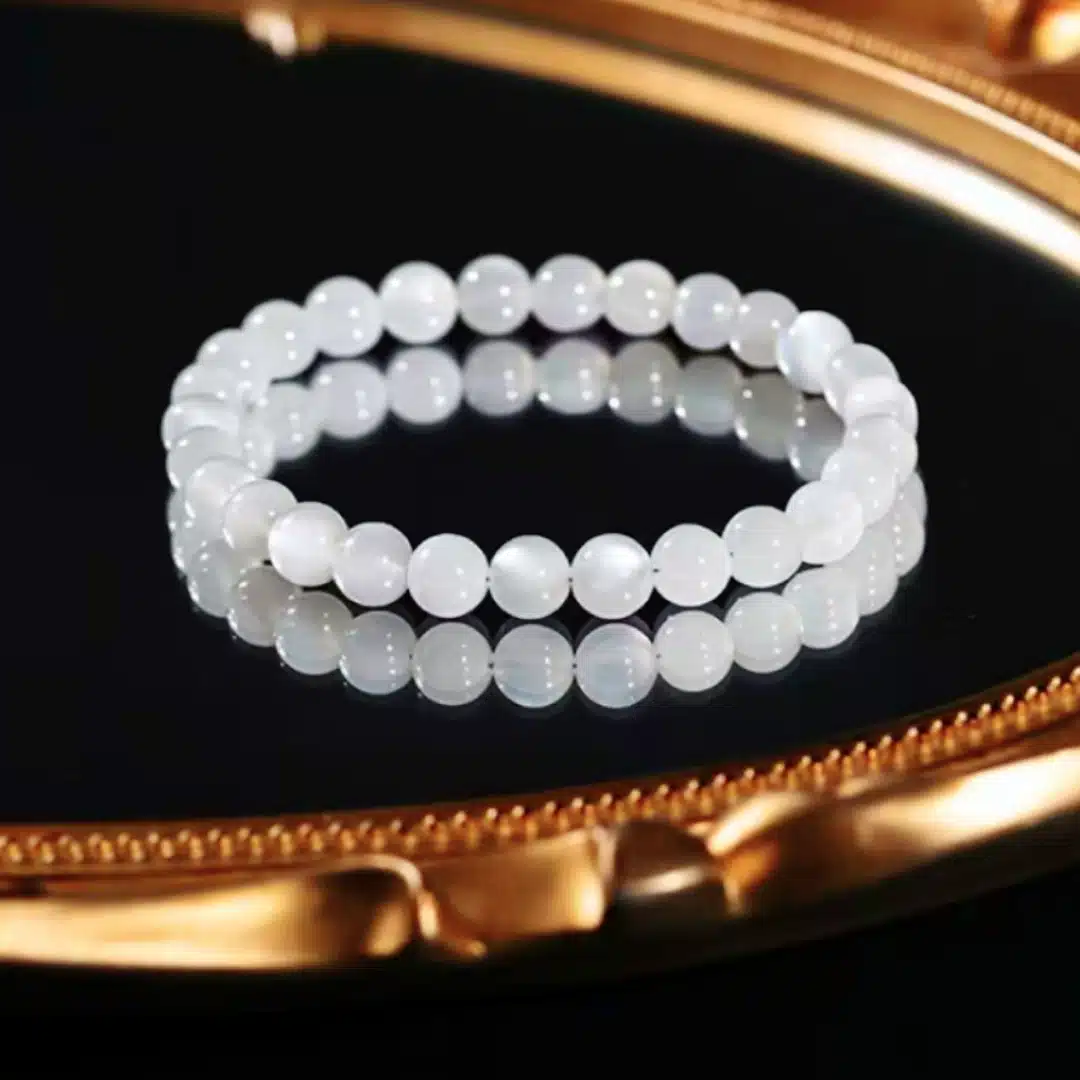
| Crystal | Best for in 2026 | Key Benefits | How to Wear / Use |
|---|---|---|---|
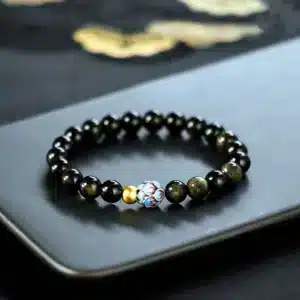
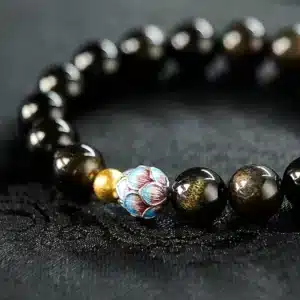
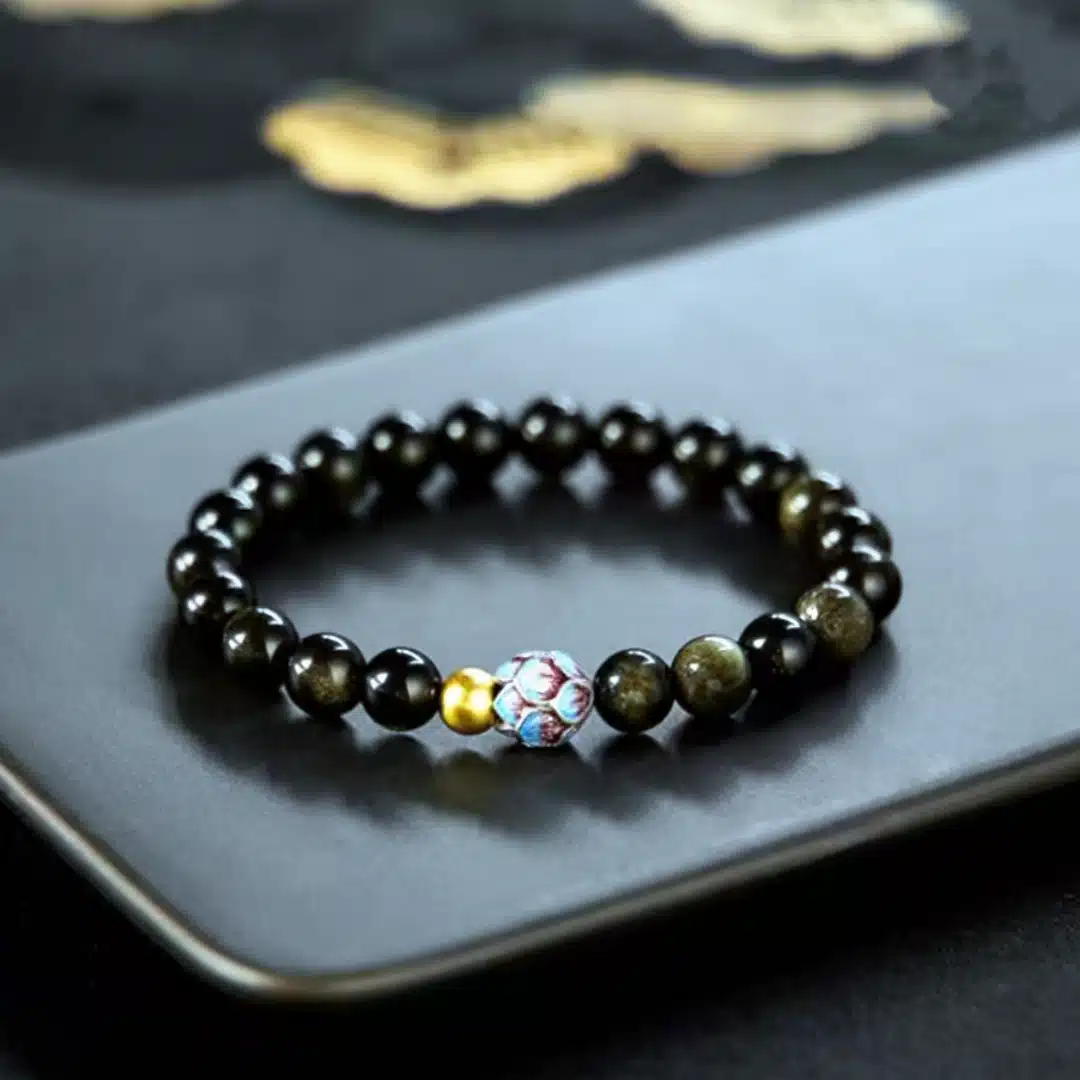
| Black Obsidian | Grounding & protection | Blocks negativity, reduces mental noise, supports boundaries | Wear daily on busy weeks; pair with red string |
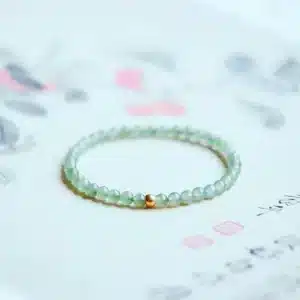
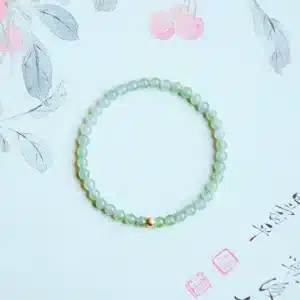
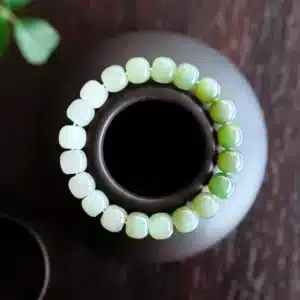
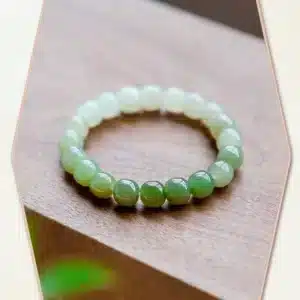
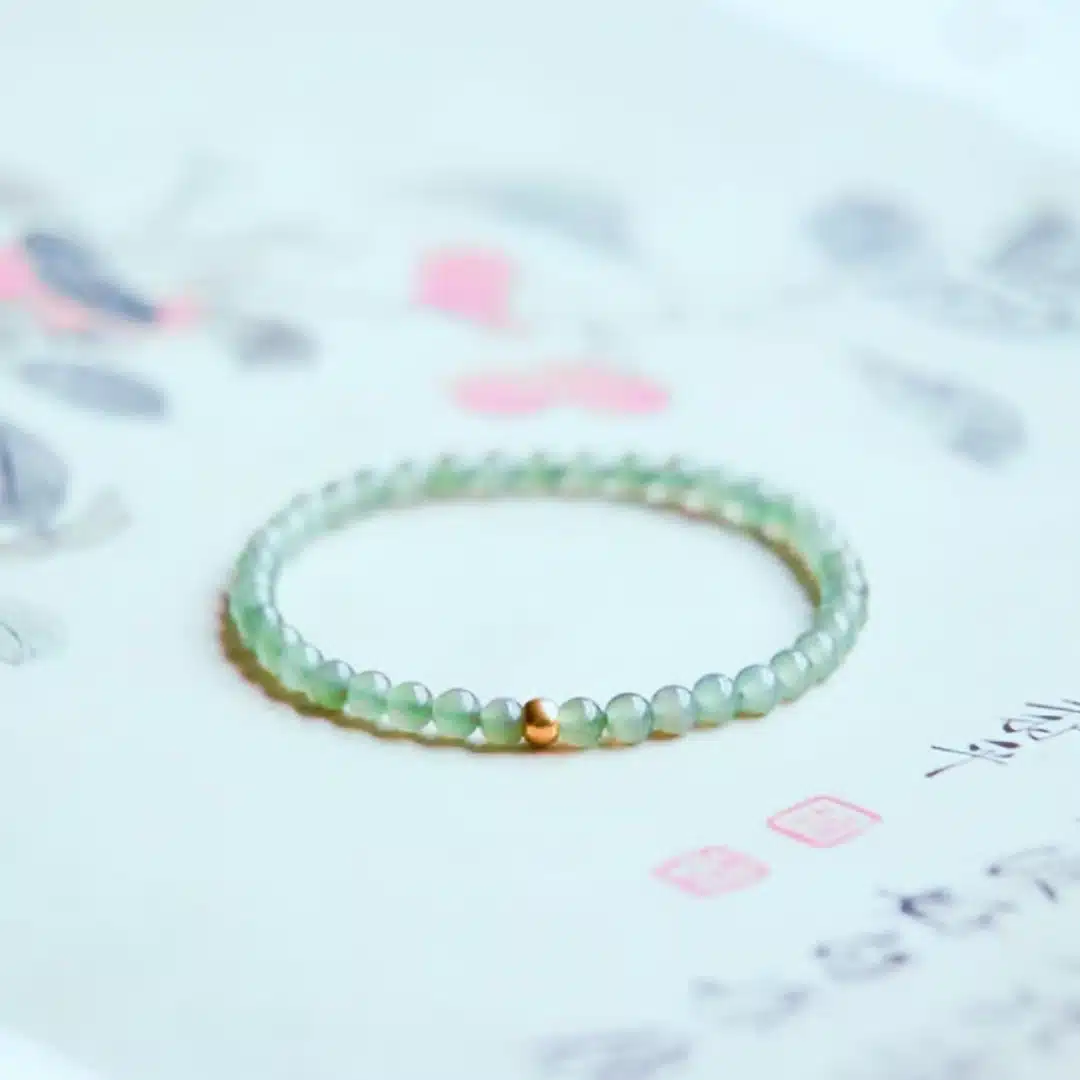
| Jade | Steady luck & calm confidence | Stabilizes decisions, supports long-term growth | Wear to work/meetings; keep it simple & consistent |
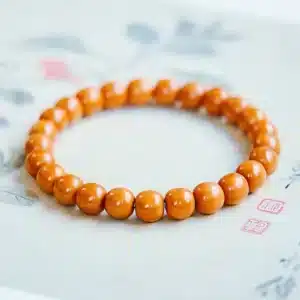
| Cinnabar | Traditional protective symbolism | Strong talismanic vibe, confidence and willpower | Best as a statement piece; keep away from water/chemicals |
| Citrine | Wealth mindset & optimism | Encourages abundance thinking, motivation | Wear when building new habits; keep near workspace |
| Amethyst | Calm under pressure | Emotional balance, better sleep vibe | Wear at night or evenings; place near bed (optional) |
| Clear Quartz | Clarity & intention | Amplifies focus and intention | Pair with other stones; set a simple intention weekly |
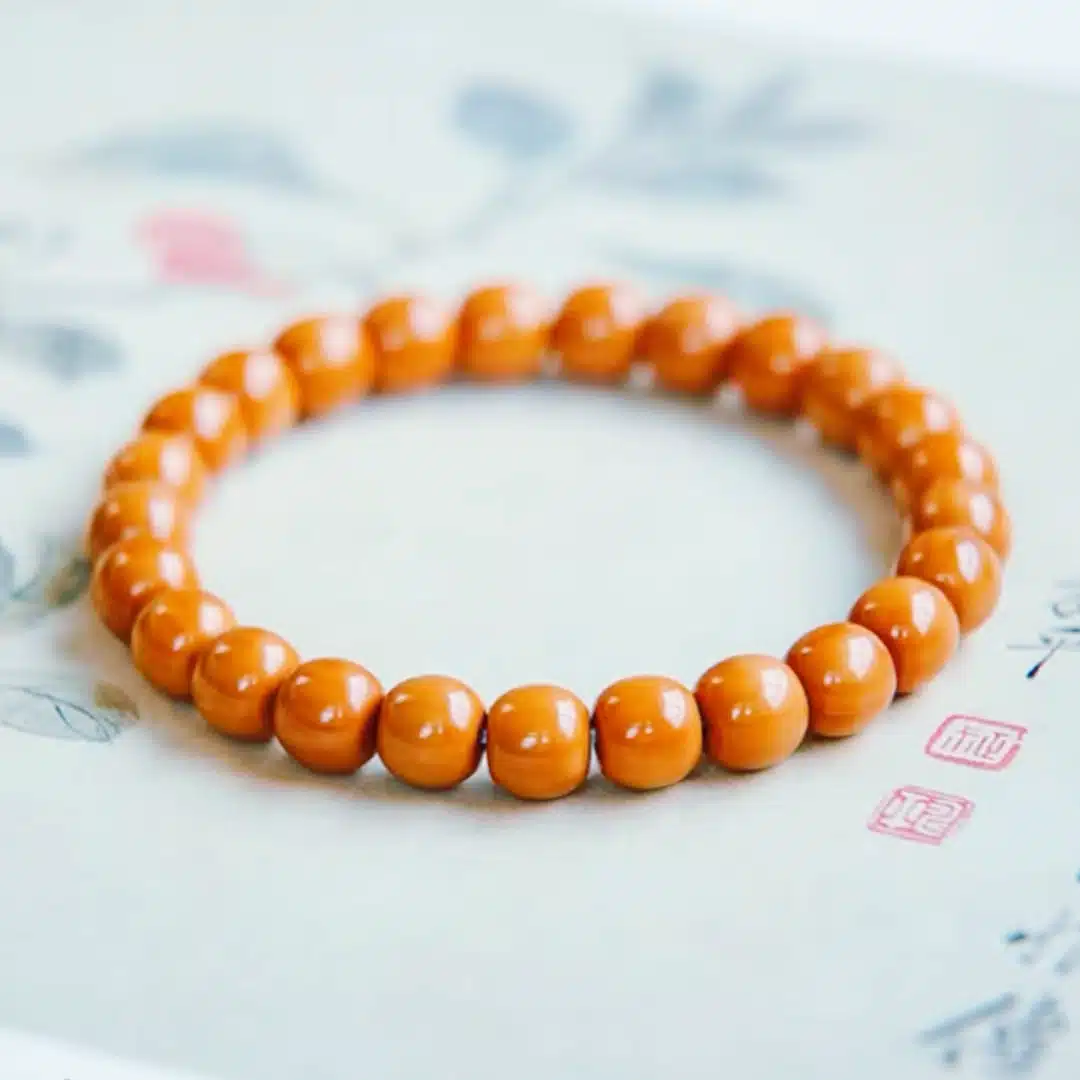
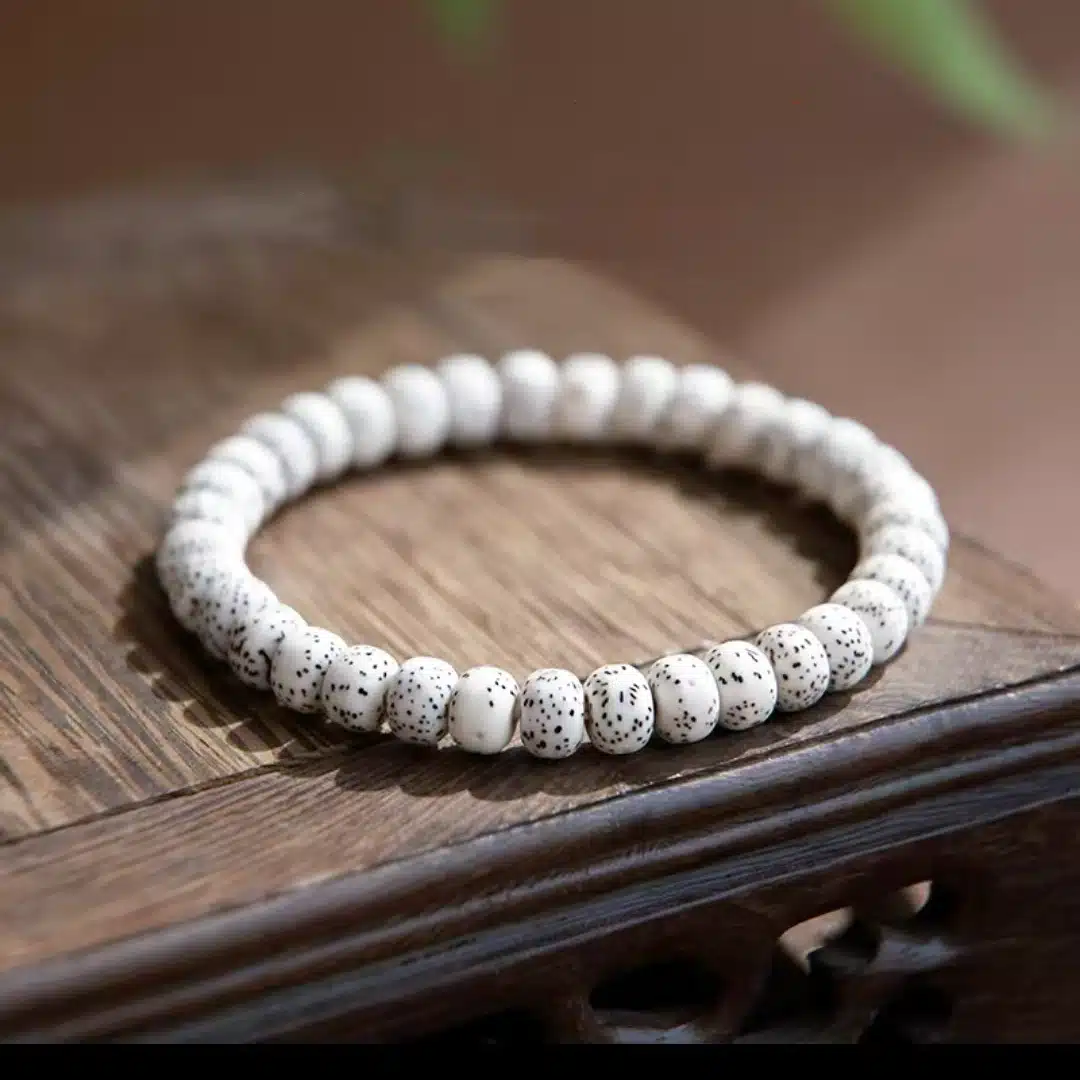
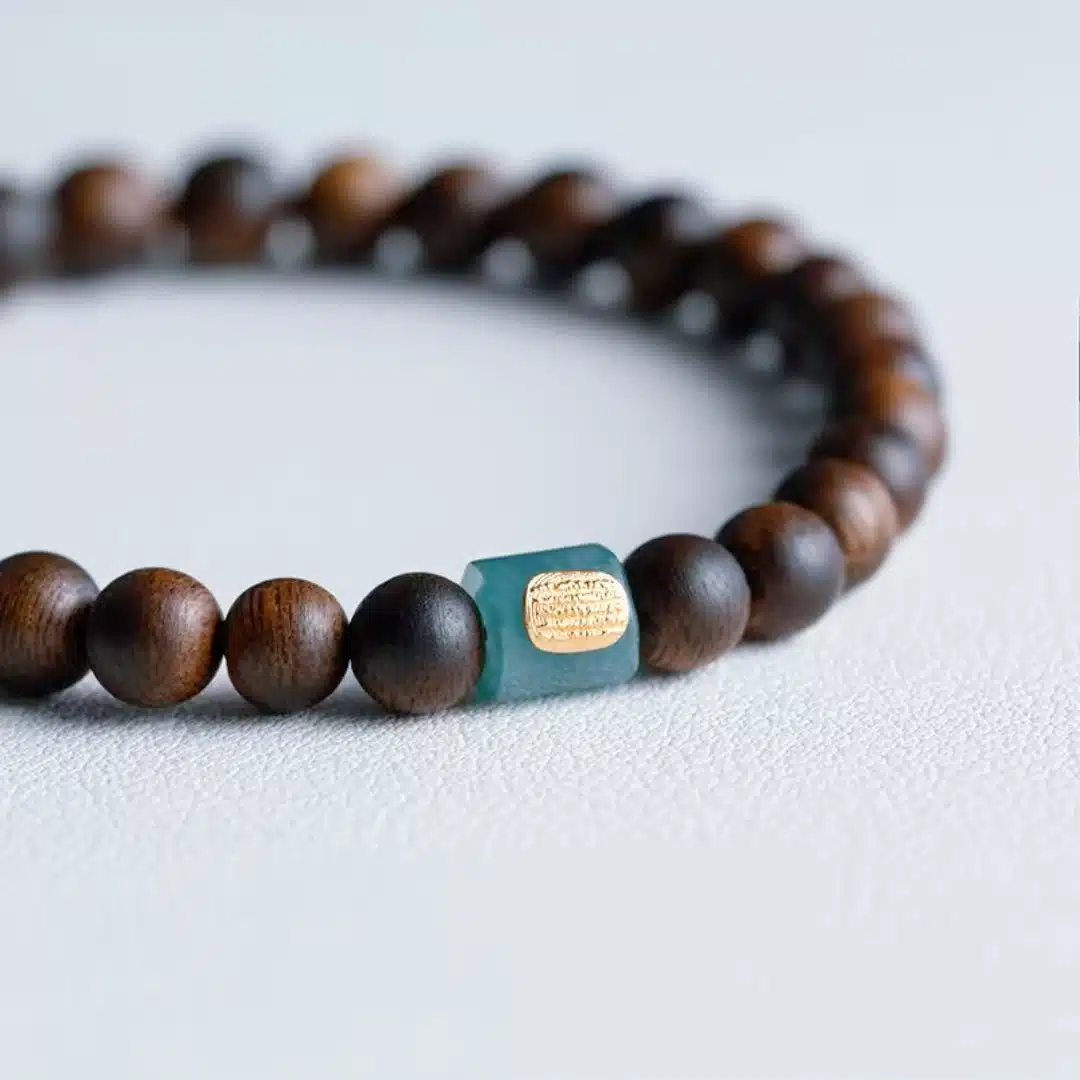
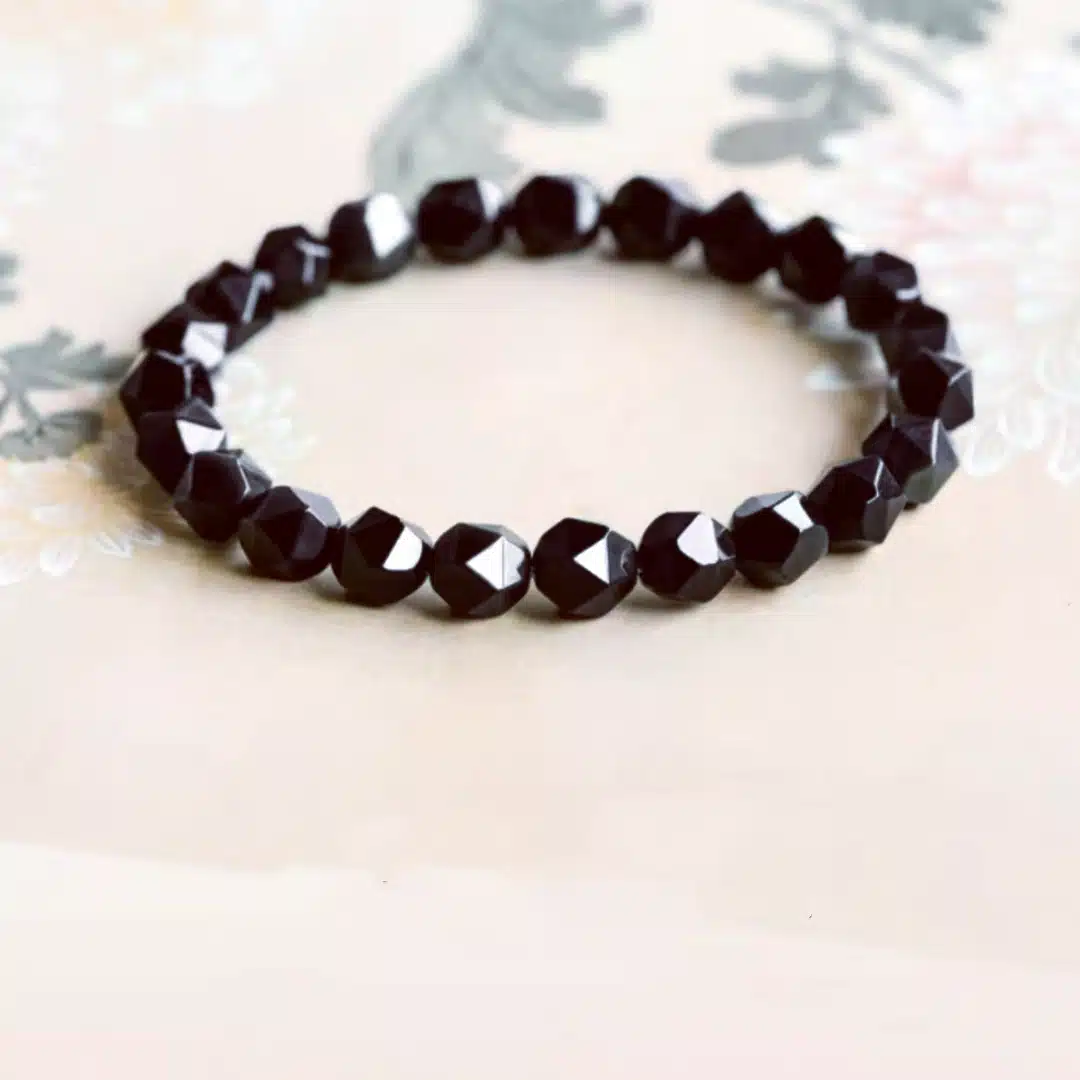
5.2 Recommended combos (for real life)
- Daily stability: Red string + jade
- Busy weeks: Red string + obsidian
- Traditional protection vibe: Red string + cinnabar
6. A 15-Minute Weekly Routine That Makes Feng Shui “Stick”
6.1 The routine
- Entryway: clear shoes/bags, wipe one surface
- Workspace: remove 3 unnecessary items
- One direction zone: Southeast or North (alternate weekly)
6.2 Why this works
7. Credibility Notes (Important)
Feng Shui is a cultural practice with many schools and interpretations. Results vary, and no layout can replace basics like sleep, budgeting, and healthy communication.
What Feng Shui can do reliably:
- reduce friction in daily flow
- improve organization and visual calm
- reinforce consistent behavior through environment design
8. FAQs
Q1: Do I need to change my whole home?
No. Start with one stress point and one key zone. Measure the result, then expand.
Q2: What’s the fastest improvement I can make?
Clear the center pathways and reduce clutter in your entryway—this improves daily flow immediately.
Q3: Are crystals required?
Not required. They work best as wearable reminders paired with real habits.
Further Reading